
Glossary
What is Shared Business Expenses?
Definition
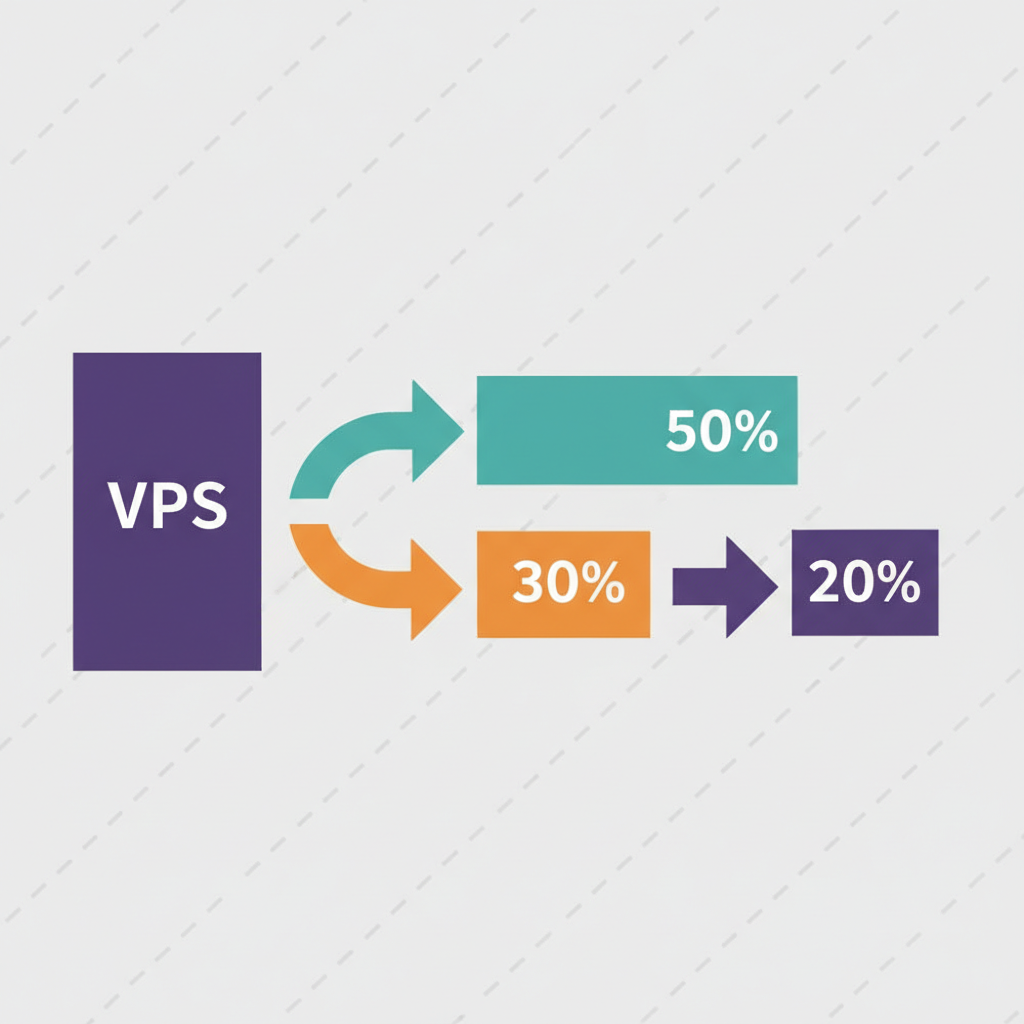
Shared business expenses are costs that serve more than one income stream or project within a single business — hosting that runs three side projects, a productivity tool used across all client work, office rent that covers everything the freelancer does. They're business expenses that can't cleanly be tagged to a single project.
Correctly allocating shared expenses is the difference between knowing which project actually makes money and operating on an averaged, misleading profit view. It's one of the things standard bookkeeping tools under-support.
Why it matters
- Without allocation, your highest-earning stream carries all shared costs in practice (because it's the biggest bucket), which makes it look less profitable than it is. Smaller streams look more profitable than they are.
- The IRS requires that allocation be reasonable and consistently applied — not that you pick any particular method. Documentation of the chosen method matters more than sophistication.
- For freelancers running multiple parallel income streams, shared-expense allocation is the mechanical gate between knowing your business and guessing.
Best practices for Shared Business Expenses
Pick an allocation method per expense category
Hours-weighted for time-consumed shared costs (office, utilities, software across projects). Revenue-weighted for money-flow overhead (merchant accounts, accountant fees). Equal-share when the resource is genuinely uniform.
Document the method in writing
A one-paragraph note in your tax folder or accounting tool settings explaining why you chose each method. The IRS only really cares that you didn't retroactively change methods to reduce tax.
Reallocate monthly, not annually
Shared-cost percentages shift as hours and revenue shift. A once-a-year allocation misses month-to-month project performance variation.
Don't obsess over small expenses
A $50/mo VPS shared across three projects isn't worth a precision allocation method. Equal-split the $50 and move on. Save the rigor for the $2k/mo coworking space.
FAQ
Can I change my allocation method year-over-year?
Yes, if the change reflects a real shift in how the costs are consumed. Don't change just to reduce taxable income — that's the IRS red flag. Document the reason when you change.
What's the difference between allocation and apportionment?
They're often used interchangeably. Allocation is usually specific to one category (splitting an office lease across three projects). Apportionment is broader (assigning shared income or deductions across states or jurisdictions). For freelancer project-P&L purposes, allocation is the term.
Do I need to allocate on my Schedule C?
No. Schedule C reports your total business expenses by category, not per-project. Allocation is for internal management reporting — your business decisions — not for tax filing.
Ready to split your shared costs properly?
Hustlay Pro lets you tag any expense as 'shared', pick the allocation method once (hours-weighted or revenue-weighted), and recompute project P&L monthly — automatically.