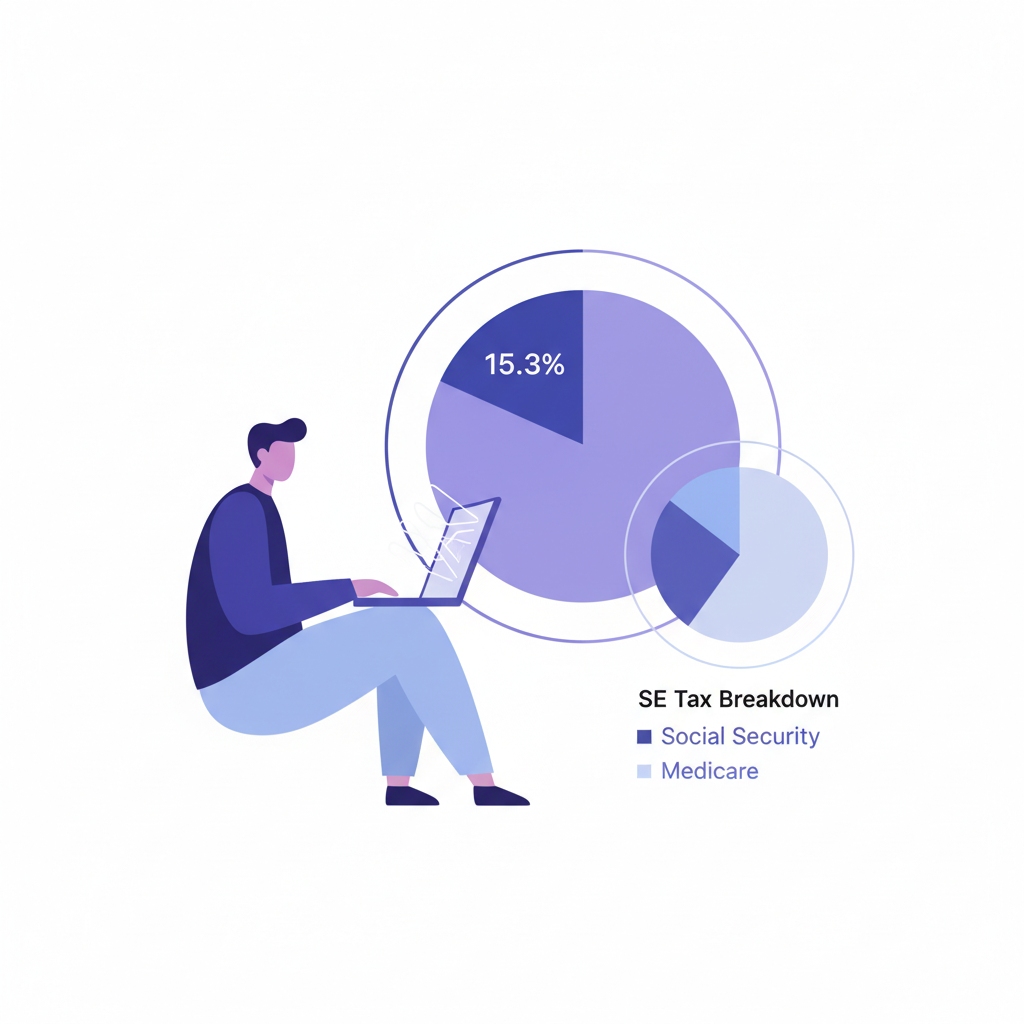
Self-Employment TaxSelf-employment tax is the 15.3% Social Security + Medicare tax freelancers pay instead of splitting FICA with an employer. Definition, math, and how to reduce it.Read definition →
Schedule CSchedule C is the IRS form where freelancers and sole proprietors report business income and expenses. Line-by-line overview, common mistakes, and how to reduce net profit.Read definition →
Quarterly Estimated TaxesQuarterly estimated taxes are the four pay-as-you-go payments US freelancers send the IRS each year. Deadlines, safe-harbor rules, and the math per quarter.Read definition →
1099-NECForm 1099-NEC reports non-employee compensation to the IRS — what freelancers receive from each client that paid them $600+ in the year.Read definition →
Profit Per ProjectProfit per project is revenue minus direct costs and allocated shared costs for a single income stream. The key metric for multi-stream freelancers.Read definition →
Profit Per HourProfit per hour is your net income divided by every hour worked — billed and unbilled. The real rate that reveals what you actually earn as a freelancer.Read definition →
MRR (Monthly Recurring Revenue)MRR is the predictable monthly revenue from subscriptions and retainers — the core SaaS and creator metric for forecasting and business health.Read definition →
QBI DeductionThe Qualified Business Income deduction lets eligible freelancers deduct 20% of net business income from federal taxable income. Who qualifies and how much it saves.Read definition →
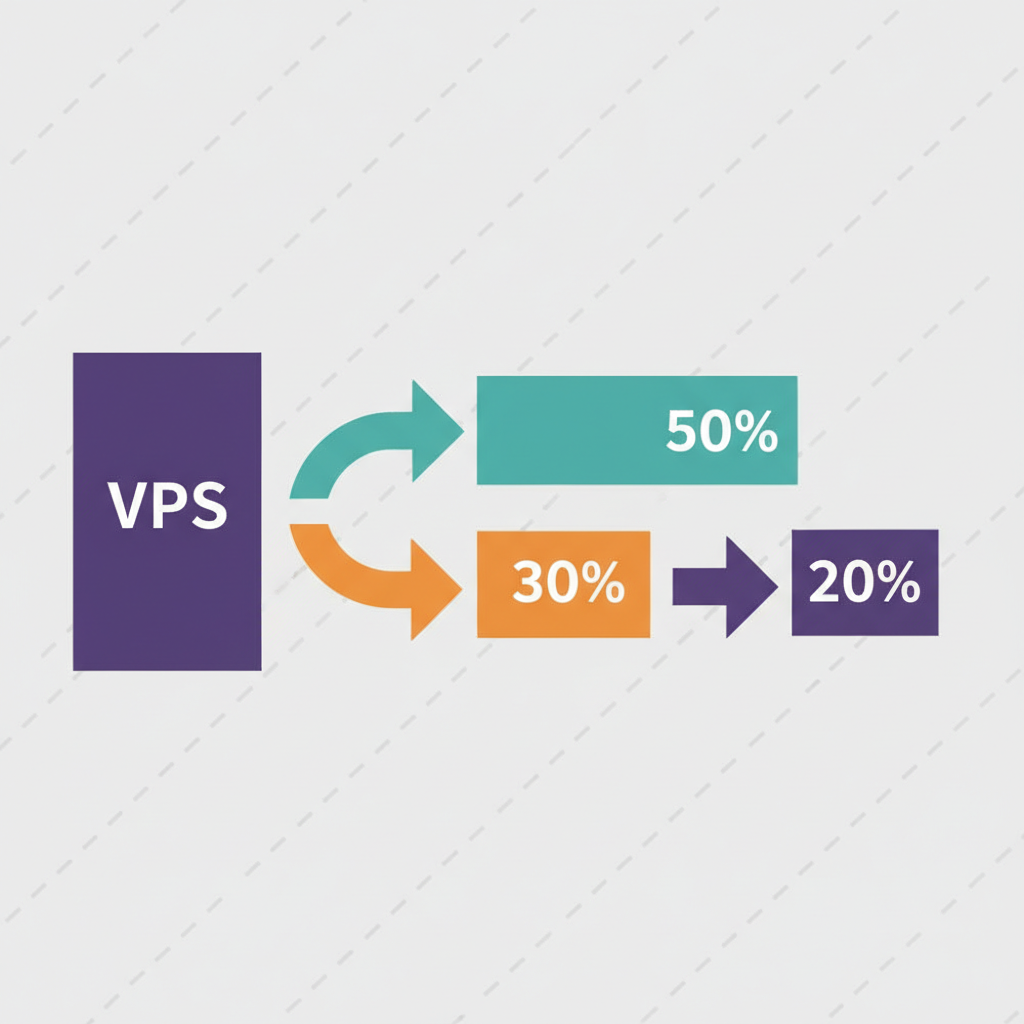
Shared Business ExpensesShared business expenses are costs that serve more than one income stream — VPS, software, office rent. How to allocate them fairly across projects.Read definition →
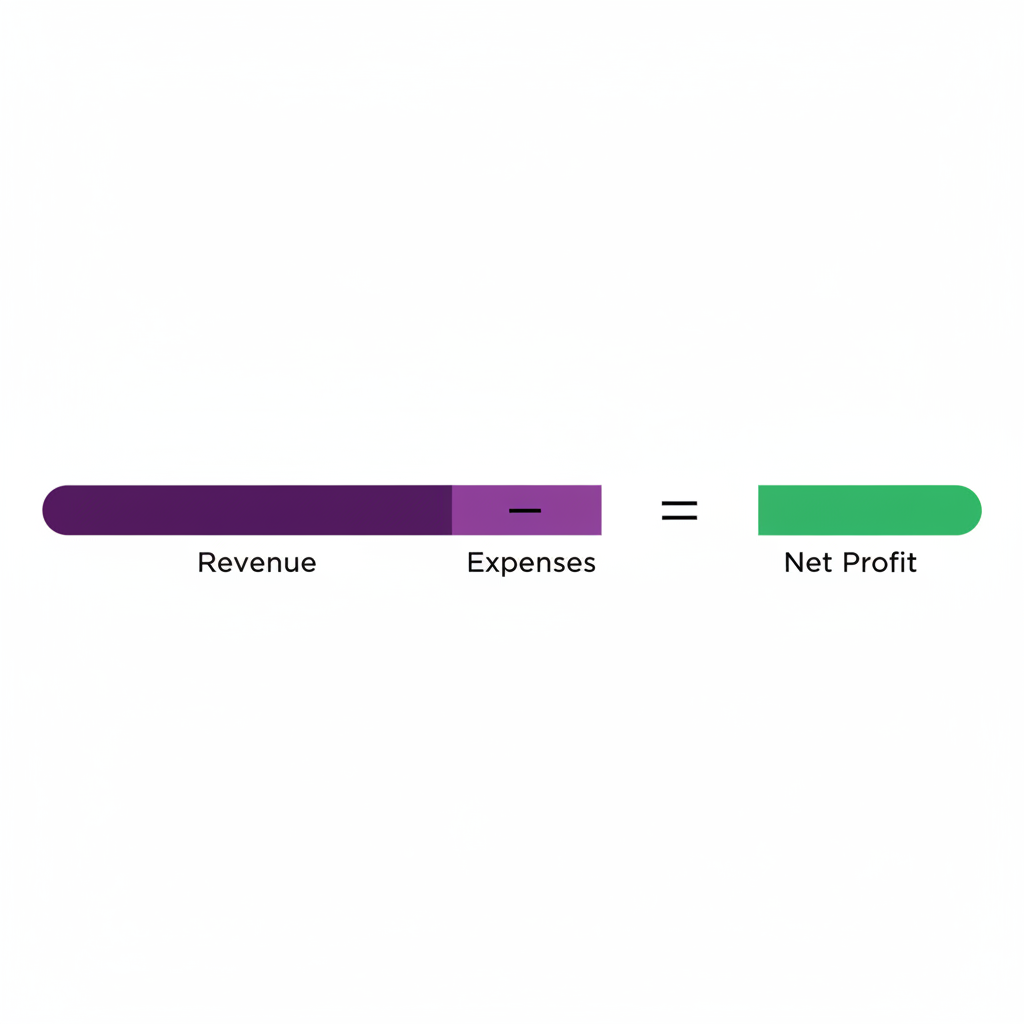
Net ProfitNet profit is revenue minus all expenses — the bottom line of every P&L. For freelancers, it's the number that drives Schedule C, taxes, and operational decisions.Read definition →
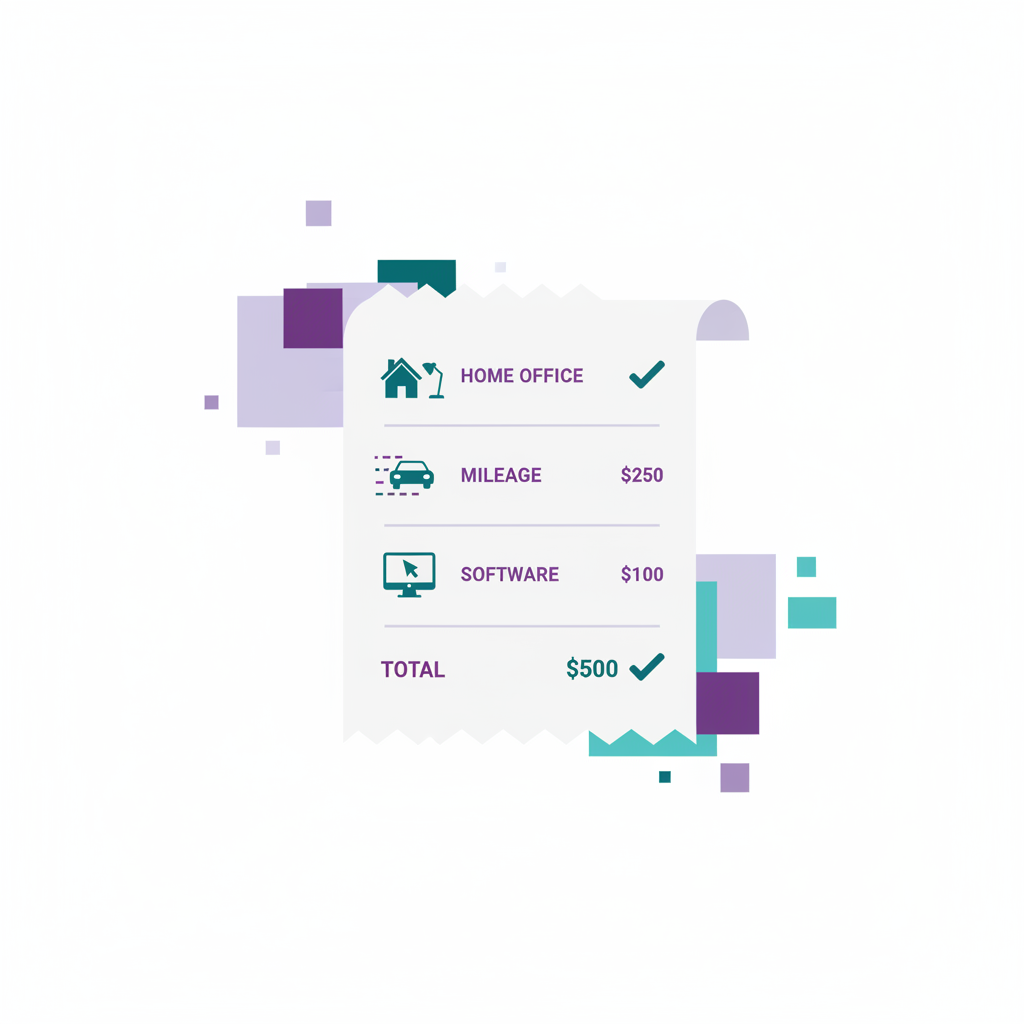
Business DeductionA business deduction is an expense that reduces taxable income. For freelancers, each qualifying deduction saves both income tax and self-employment tax.Read definition →
Accrual vs Cash AccountingAccrual vs cash accounting: the two methods for recognizing income and expenses. Which one most freelancers use and when to switch.Read definition →
EIN (Employer Identification Number)An EIN is the IRS-issued 9-digit business ID. Freelancers use it on W-9s to avoid sharing their SSN. Free to get, takes 5 minutes.Read definition →
Form W-9Form W-9 is how a business collects your tax ID so they can issue 1099-NEC at year-end. What to fill in and when to provide one.Read definition →
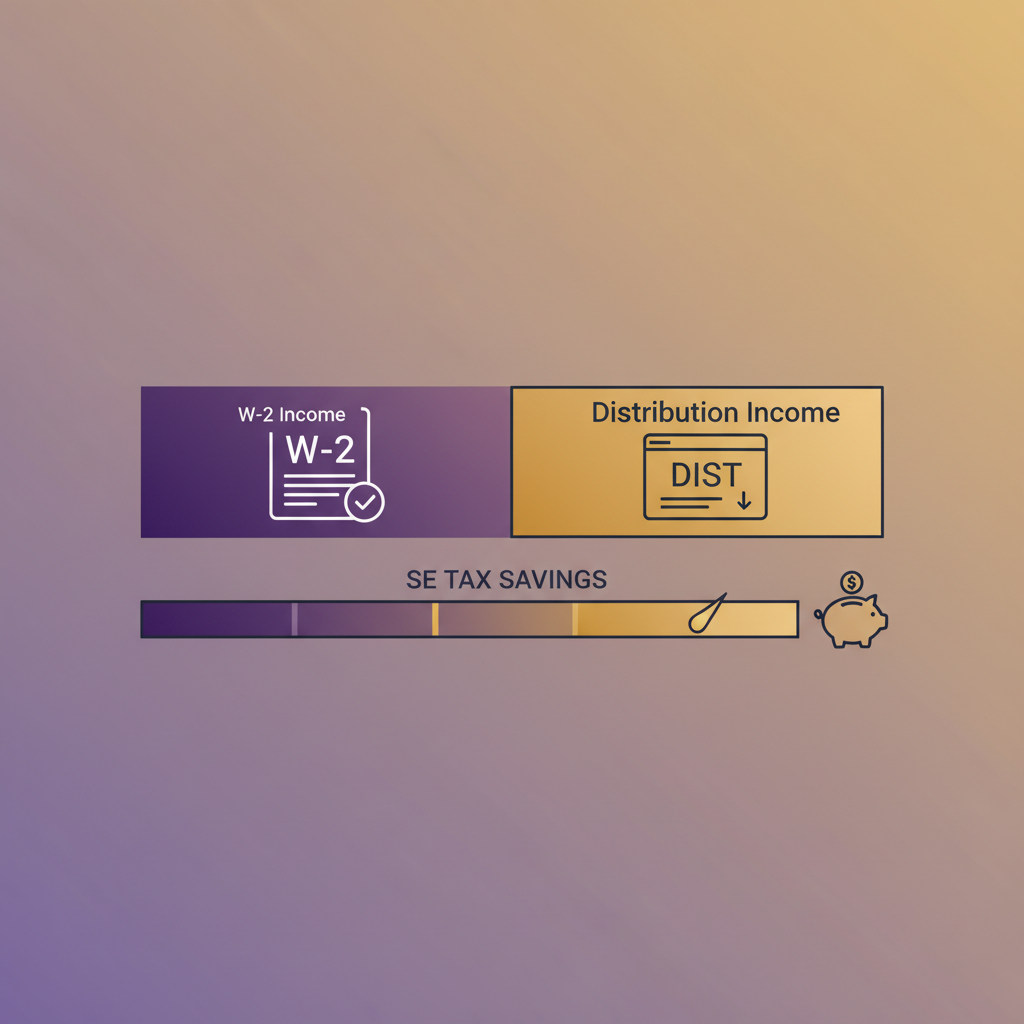
S-Corp Election (Form 2553)S-Corp election lets you split earnings into salary and distributions to reduce self-employment tax. Revenue thresholds and when it makes sense.Read definition →
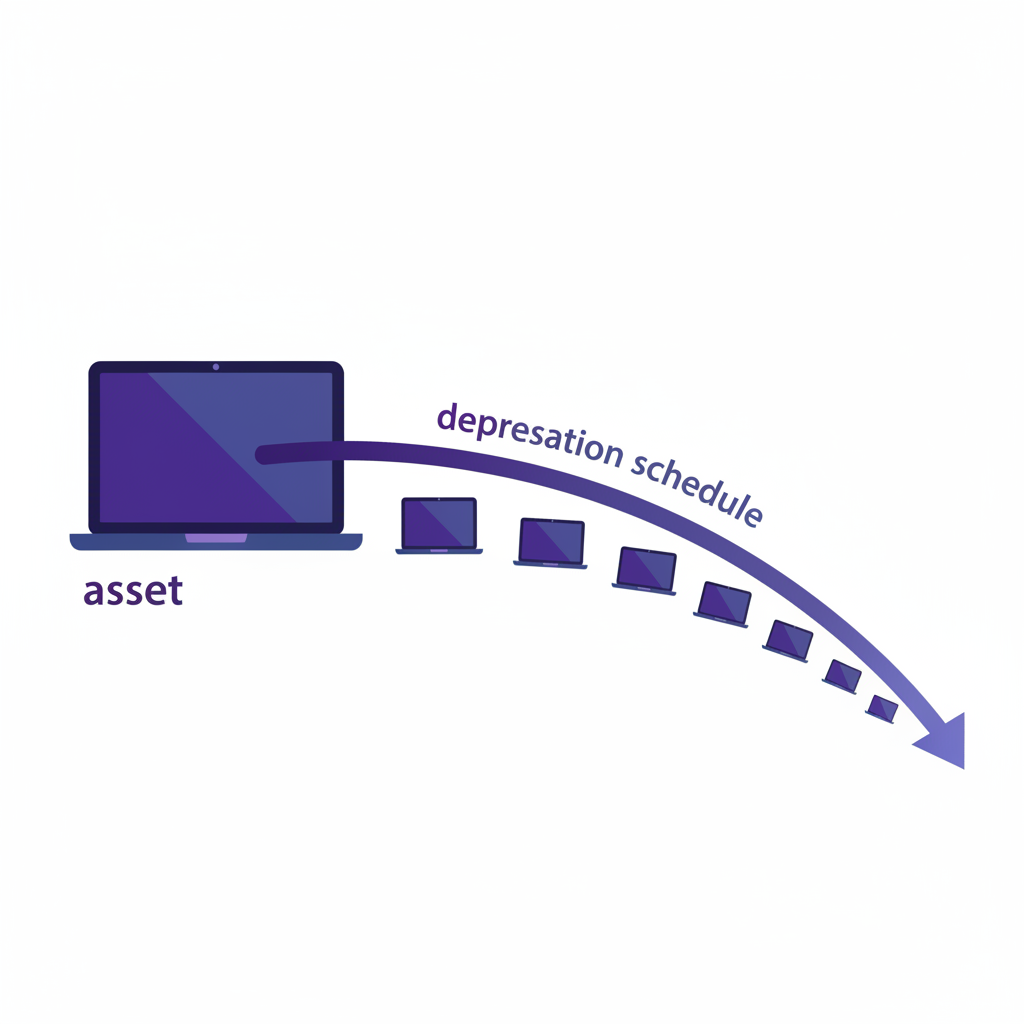
Depreciation (Section 179)Depreciation spreads equipment cost over its useful life for tax purposes. Section 179 lets you expense it all in year one — which is usually better.Read definition →
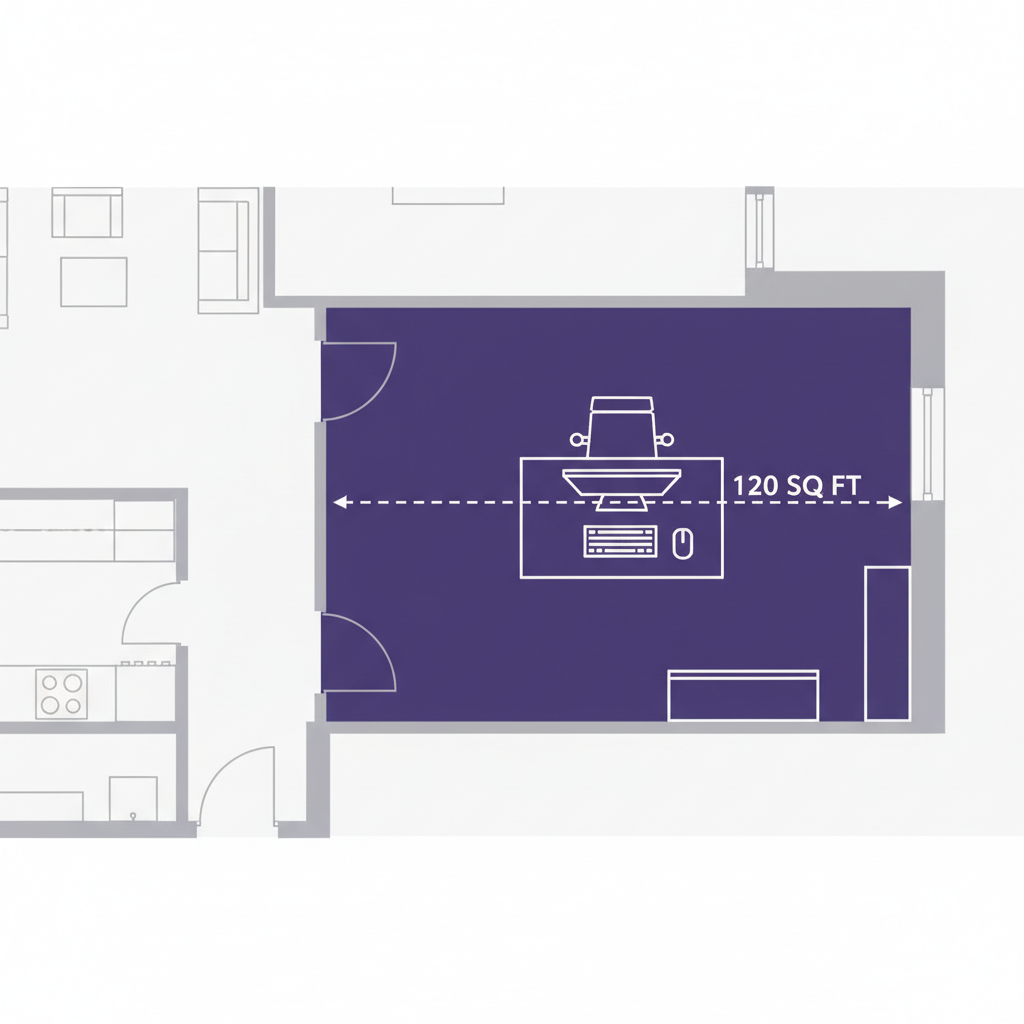
Home Office DeductionThe home office deduction lets freelancers deduct a portion of home costs when a space is used regularly and exclusively for business. Two methods explained.Read definition →
Business Mileage DeductionFreelancers can deduct business miles at the IRS standard rate (currently 58.5¢/mile for 2024). A contemporaneous log is required.Read definition →
Form 1099-KForm 1099-K reports payment-processor gross income. Freelancers receive it from Stripe, PayPal, Venmo Business, Etsy, etc. Gross — not net — so watch for double-counting.Read definition →
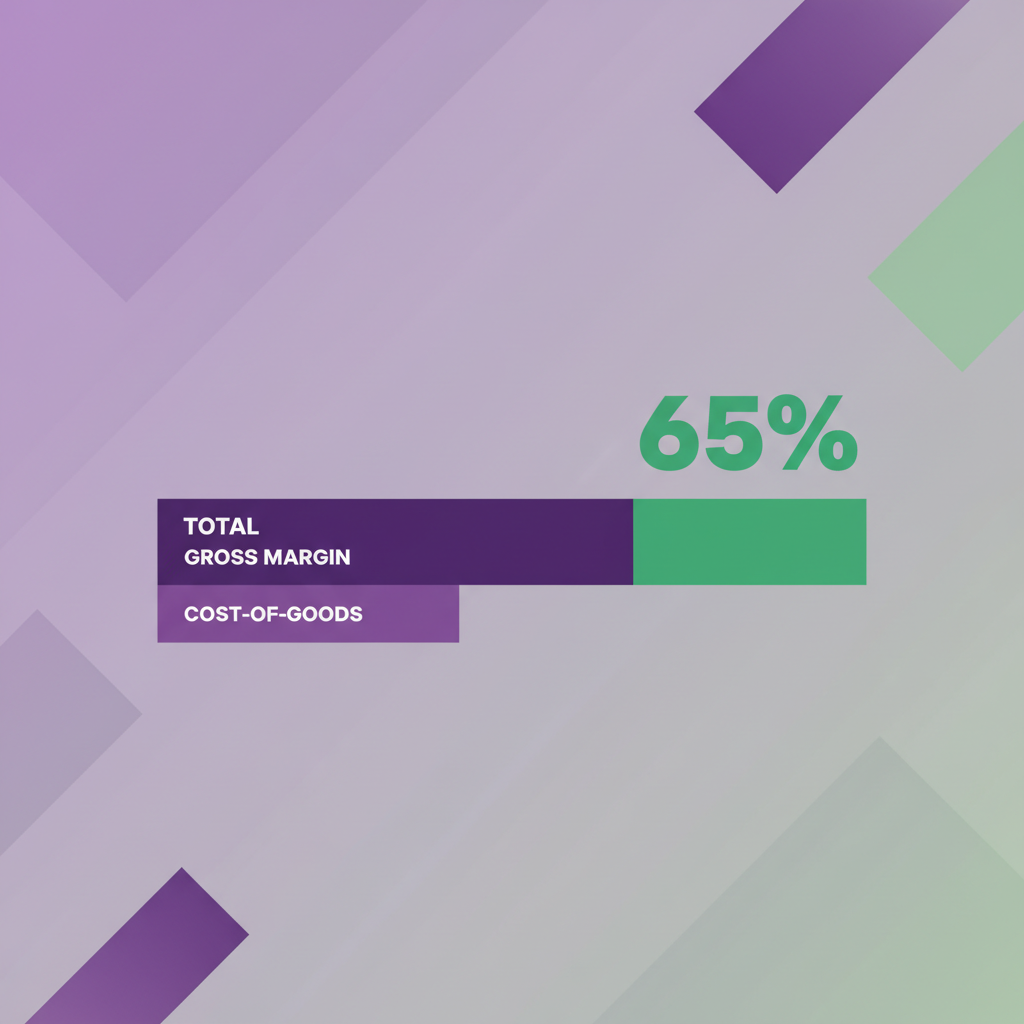
Gross MarginGross margin is revenue minus direct costs, divided by revenue. The metric that reveals how much of each dollar survives before overhead.Read definition →
Net Cash FlowNet cash flow is the actual dollars flowing in and out of your business bank account, distinct from net profit. Why they can diverge.Read definition →
Sales Tax NexusSales tax nexus is the connection a business has to a state that triggers a sales-tax-collection obligation. Post-Wayfair, economic nexus applies in most states.Read definition →
Form 1120-SForm 1120-S is the annual tax return for S-Corps. Informational — the S-Corp doesn't pay federal tax; income passes through to owners via K-1.Read definition →
Form 8829 (Home Office Expenses)Form 8829 calculates the home office deduction using the actual-expense method. When to use it vs the simplified method.Read definition →
Retained EarningsRetained earnings are profits kept in the business instead of taken as distributions. Freelancers usually don't have much; S-Corps often do.Read definition →
Invoice AgingInvoice aging is the report that shows how long unpaid invoices have been outstanding. The receivables health check for any freelancer.Read definition →